В деревне Ano Vouves, недалеко от Kolymvari, к западу от Chania, стоит одно из самых необыкновенных живых существ в Европе — Монументальное оливковое дерево Вувес. Искривленное, полое и бесконечно извитое временем, оно широко известно как старейшее оливковое дерево в мире, и, что примечательно, оно до сих пор плодоносит каждый год.
Прогуляйтесь вокруг древнего дерева в нашем 360° Street View · © Jarosław Borowski
Сколько ему лет?
Ученые из Университета Крита оценили возраст дерева в более 2000 лет, анализируя годичные кольца, в то время как другие источники указывают 3000 или даже 4000 лет. Какой бы ни была точная цифра, оно было уже древним, когда Римская империя правила Средиземноморьем — и оно живо до сих пор.
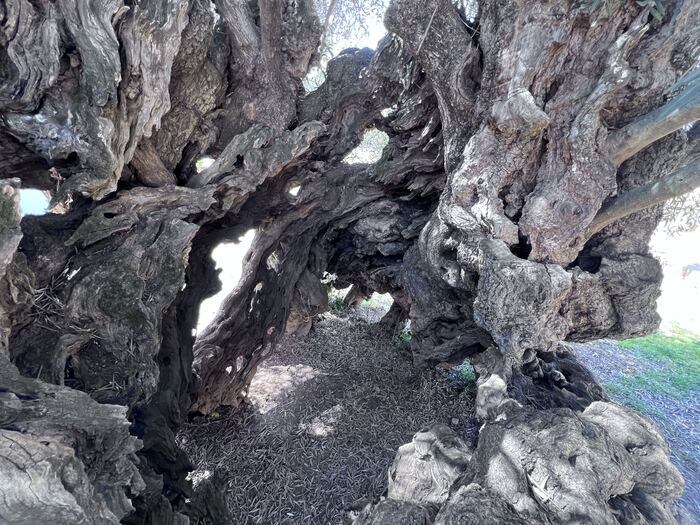
Ствол как скульптура
Дерево принадлежит к местному сорту tsounati, привитому давно на дикую оливу. Его ствол имеет размеры около 4,9 метра в поперечнике и 12,5 метра в окружности, выдолбленный в плавные, пещерообразные складки, которые больше похожи на резной камень, чем на живое дерево. Оно охраняется как памятник природы — одно из немногих монументальных оливковых деревьев, признанных в Греции.
Оливковые ветви для Олимпийских игр
Дерево — это больше, чем просто диковинка. Ветви с него были срезаны для плетения победных венков для победителей марафона на 2004 Athens и 2008 Beijing Олимпийских играх — связь между старейшим оливковым деревом в мире и древнегреческим символом мира и триумфа.
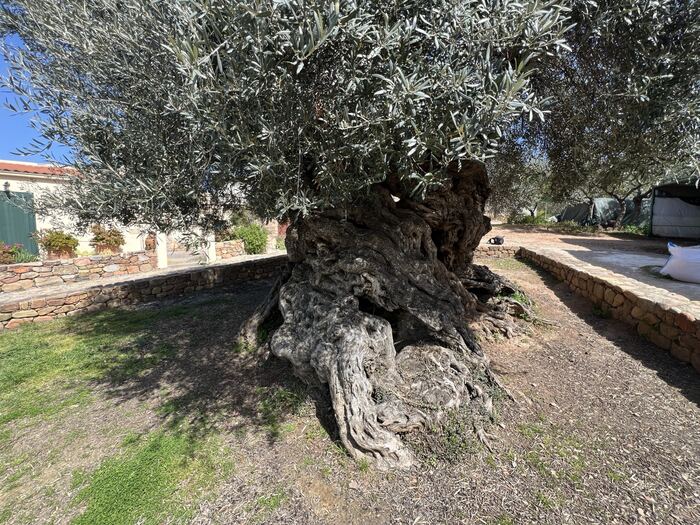
Посещение Вувес
Дерево стоит на небольшой, бесплатной для посещения площади в Ano Vouves, примерно в 30–40 минутах езды к западу от Chania. Рядом с ним, небольшой Музей оливкового дерева Вувес рассказывает историю критского оливководства. Это прекрасно сочетается с днем, посвященным изучению пляжей и деревень западного Крита.
Полезно знать: вход бесплатный, рядом есть тень и парковка, а лучшее освещение для фотографий — утром или поздно днем. Пожалуйста, не лазайте по дереву и не вырезайте на нем — оно пережило тысячи лет и заслуживает еще нескольких.